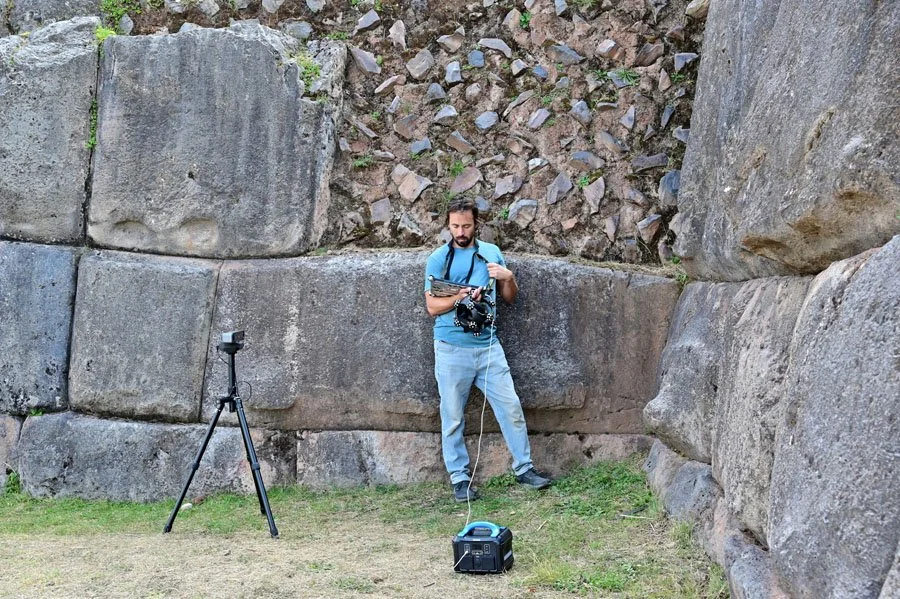
Inside the Megalithic Structures: Our Expedition to Saqsaywaman in collaboration with Project Chincana
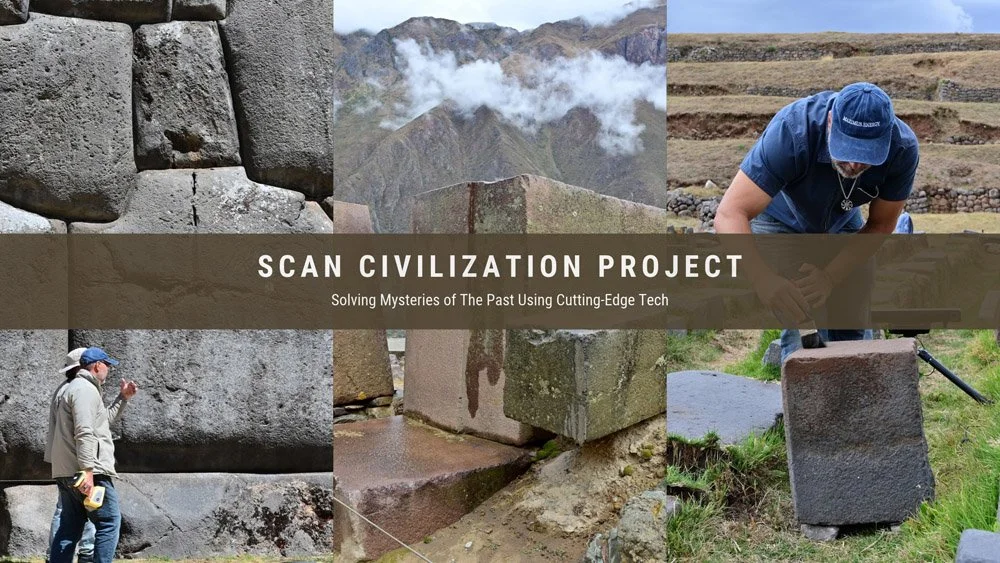
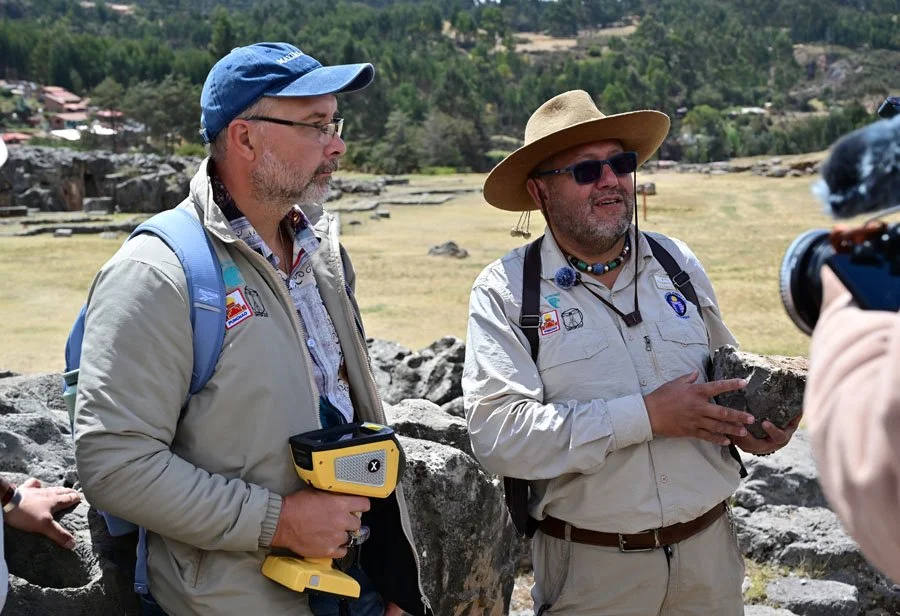
ScanCivilization & The Chinkana Project
General Research Interests:
Dr. Jorge Calero Flores and Dr. Mildred Fernandez are the archaeologist and the official directors of Proyecto Chinkana-Cusco.
1. Proyecto Chinkana-Cusco is interested in archaeological research at Sacsaywaman, including but not limited to polygonal masonry blocks, toolmarks, paint residue, and underground channels (aka chinkana), as well as research into masonry in Bolivia, Easter Island, and Egypt.
2. ScanCivilization is interested in scanning masonry blocks in Peru, including but not limited to Sacsaywaman and Qorikancha, as well as masonry/stone blocks in Bolivia (e.g., Puma Punku), Egypt, Greece, Asia Minor, etc.
In addition to masonry blocks, ScanCivilization is interested in scanning other artifacts such as sarcophagi, elongated skulls, gold or clay figurines, stone vessels, and other objects of intense public interest related to our shared cultural heritage.
ScanCivilization and Proyecto Chinkana-Cusco are independent research entities with generally diverging scientific interests that nevertheless align in a few key areas that permit collaboration.
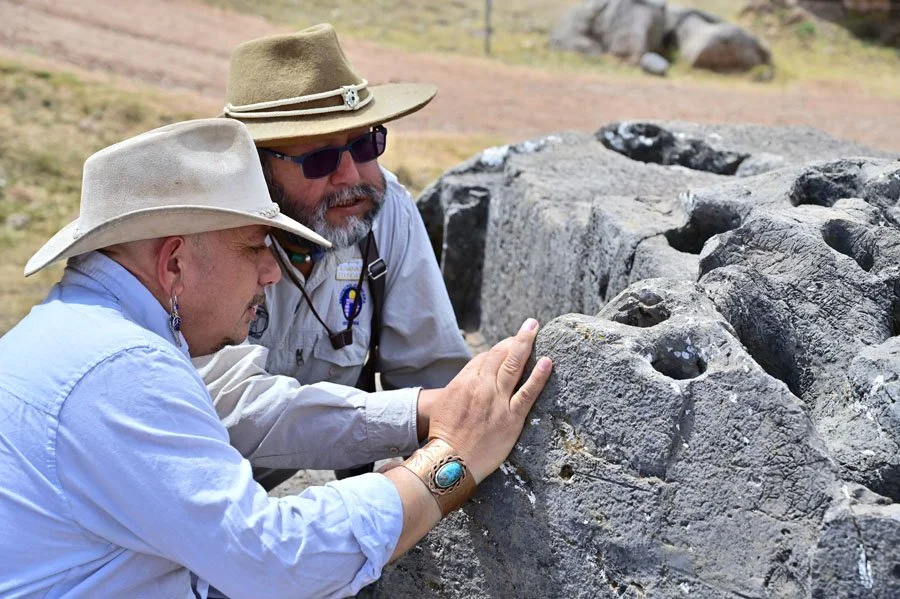
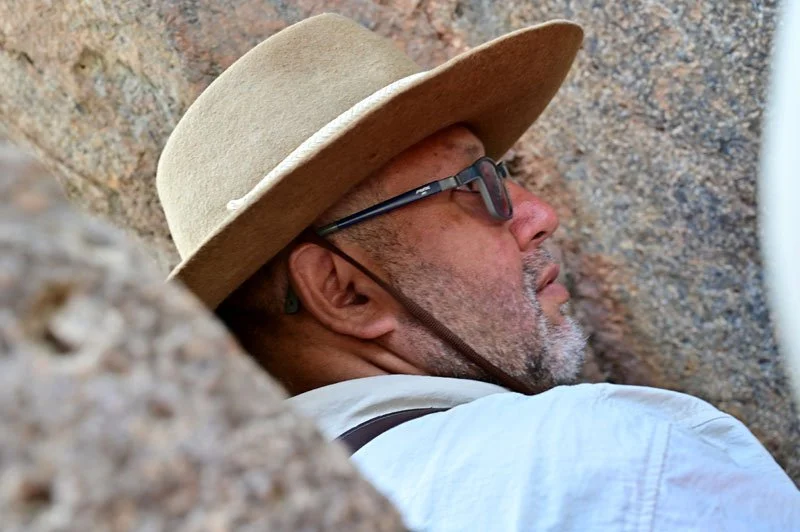
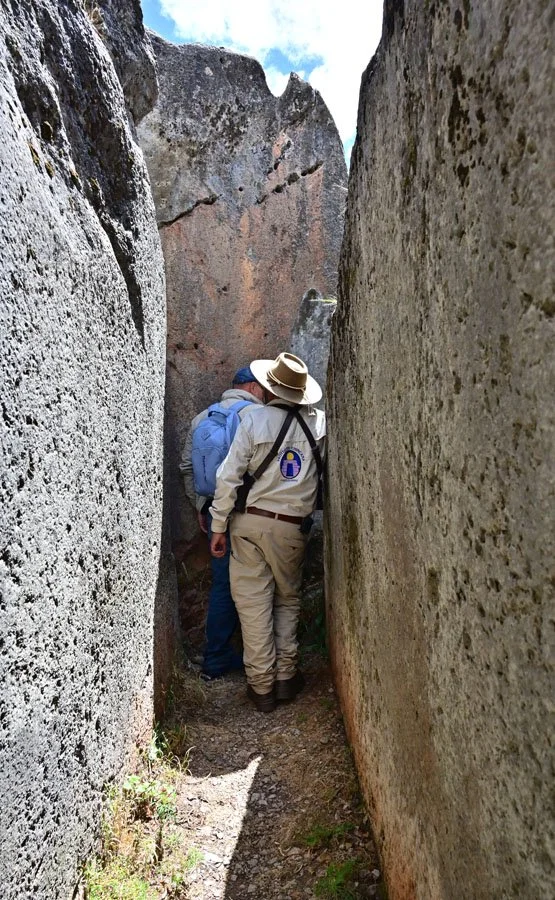
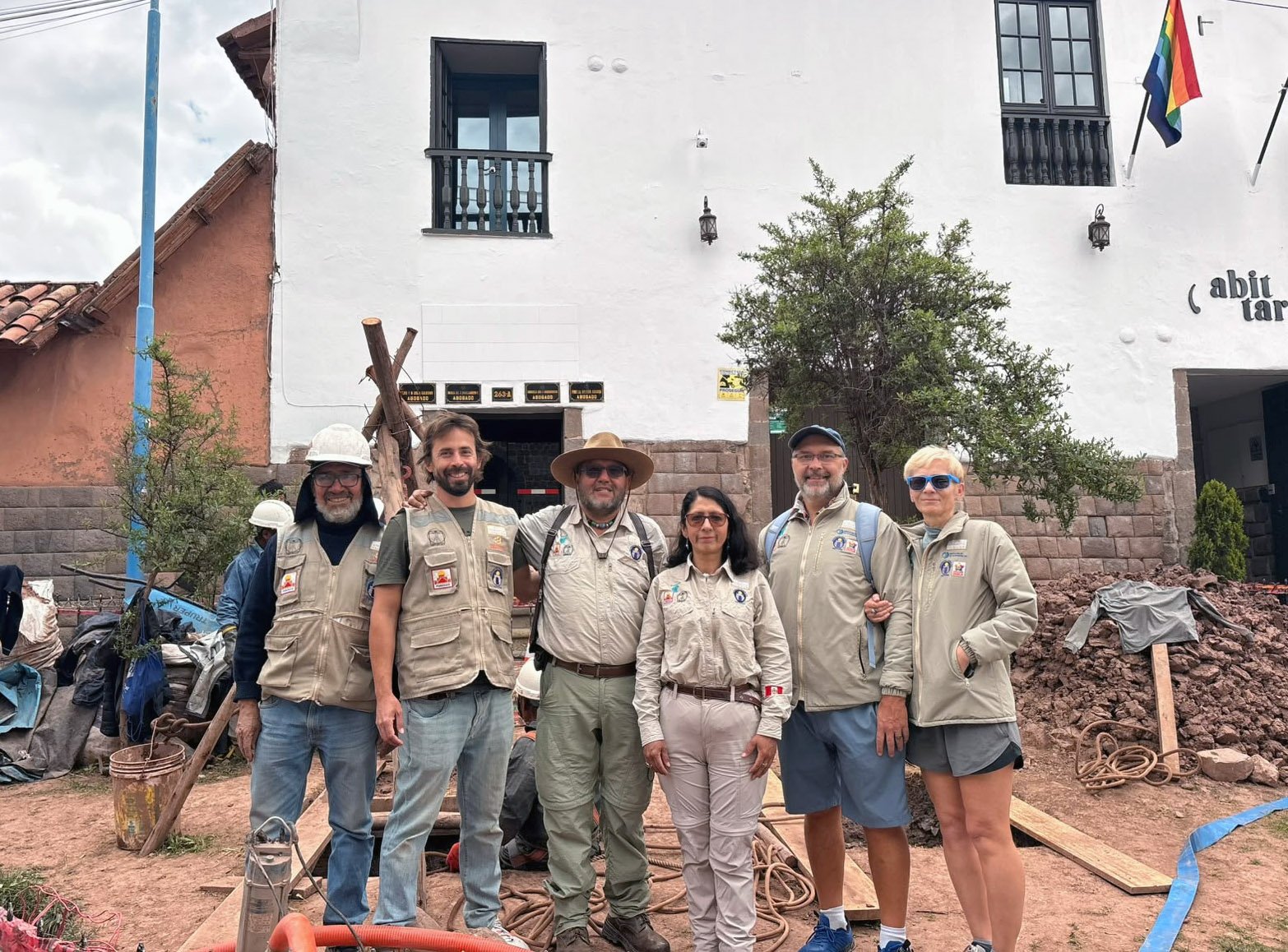
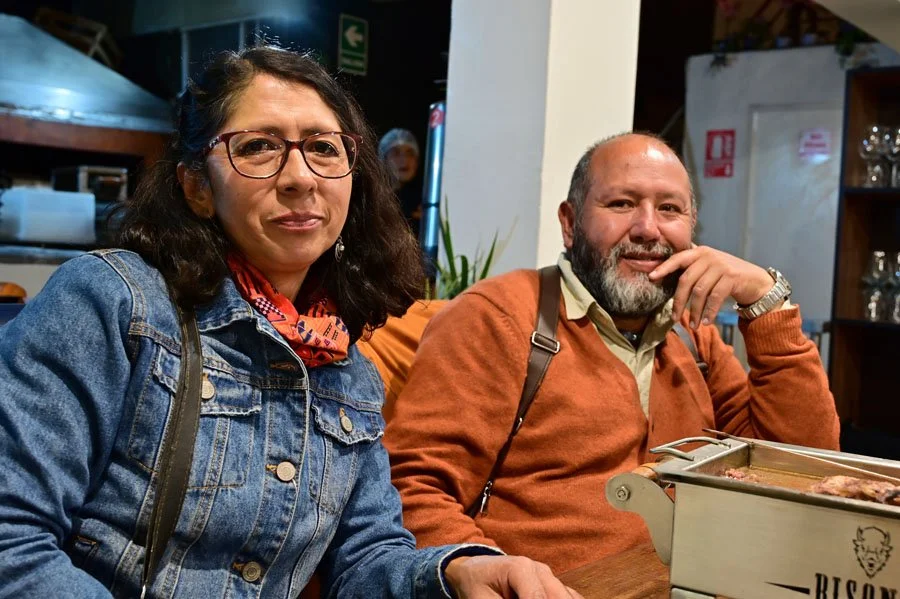
The Chinkana Project and Dr. Jorge Calero Flores and Dr. Mildred Palomino' Discoveries
The Chinkana (or Chincana) Project is a Peruvian archaeological investigation focused on the underground tunnel network long described in colonial chronicles as a labyrinthine system beneath Cusco. Led primarily by archaeologists Jorge Calero Flores and Mildred Fernández Palomino, the project combines historical research, ground-penetrating radar (GPR), acoustic surveys, and targeted excavations.
In 2025 the team confirmed the existence of a principal underground corridor approximately 1,750 meters long that appears to connect the fortress of Sacsayhuamán with Qorikancha (the Inca Temple of the Sun, now the site of the Church of Santo Domingo). Secondary branches extend toward areas such as Callispuquio, Muyucmarca/Sayaqmarca, and near the Church of San Cristóbal. Detected passages show widths of roughly 2.6 meters and heights around 1.6 meters in places, at depths of about 1.4–2.5 meters.
Researchers located a key entrance near a rock formation interpreted as a serpent’s head within a sector associated with a temple to Pachamama. Calero Flores has emphasized that the findings rest on both colonial accounts (including those of Martín de Murúa and Garcilaso de la Vega) and modern geophysical evidence, transforming what was long regarded as legend into a subject of systematic archaeological study. Excavations remain ongoing, with the team having accessed some sections and continuing work toward fuller exploration of the main axis.