Research Pipeline
Measuring the past. Testing ideas. Sharing evidence.
Mission
ScanCivilization investigates ancient craftsmanship, architecture, and unusual artifacts through quantitative measurement. Our starting point is simple: photographs and visual impressions can inspire questions, but reliable answers require data that others can examine, reproduce, and challenge.
Our research pipeline brings together metrology-grade 3D scanning, geometric analysis, surface documentation, materials characterization, and archaeological context. We seek to distinguish genuine technological patterns from superficial resemblance, assess claims of extraordinary precision, and better understand what ancient makers actually achieved. The following are proposed and developing research directions, pursued as access, permissions, funding, and institutional partnerships allow.
1 Polygonal Masonry and Ancient Stoneworking Traditions
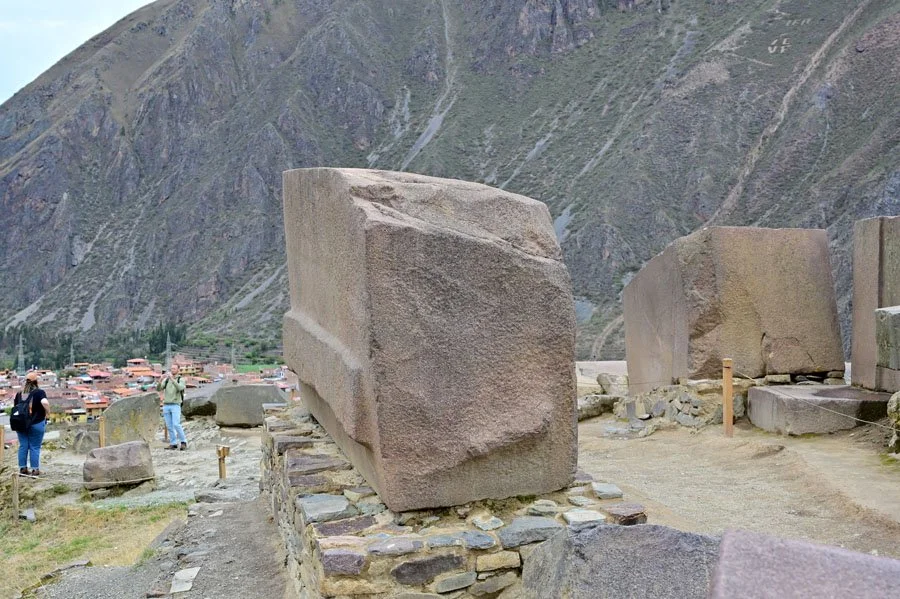
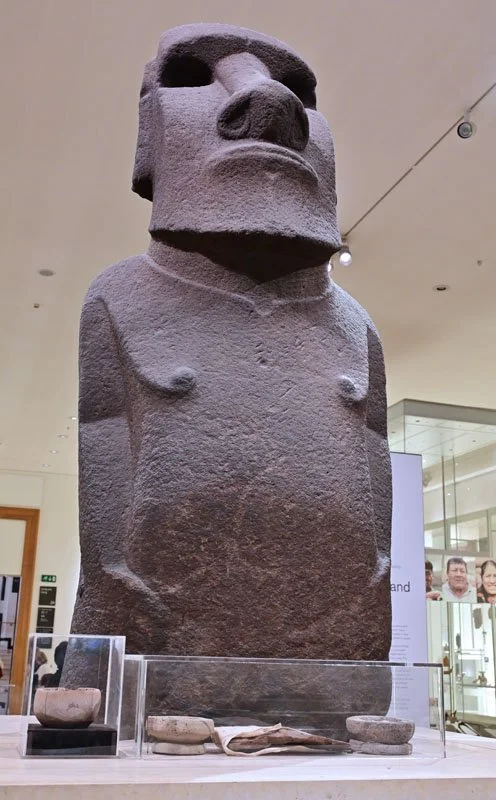
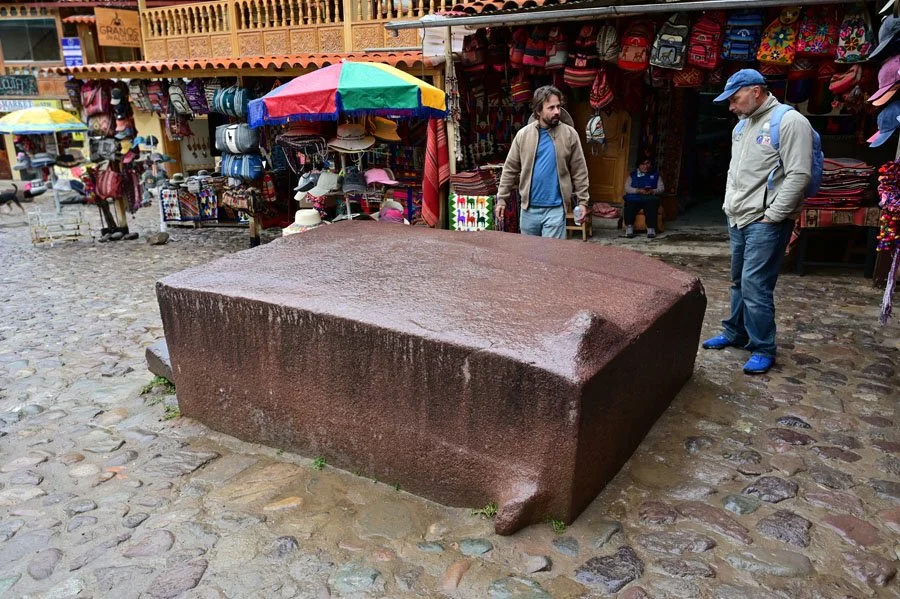
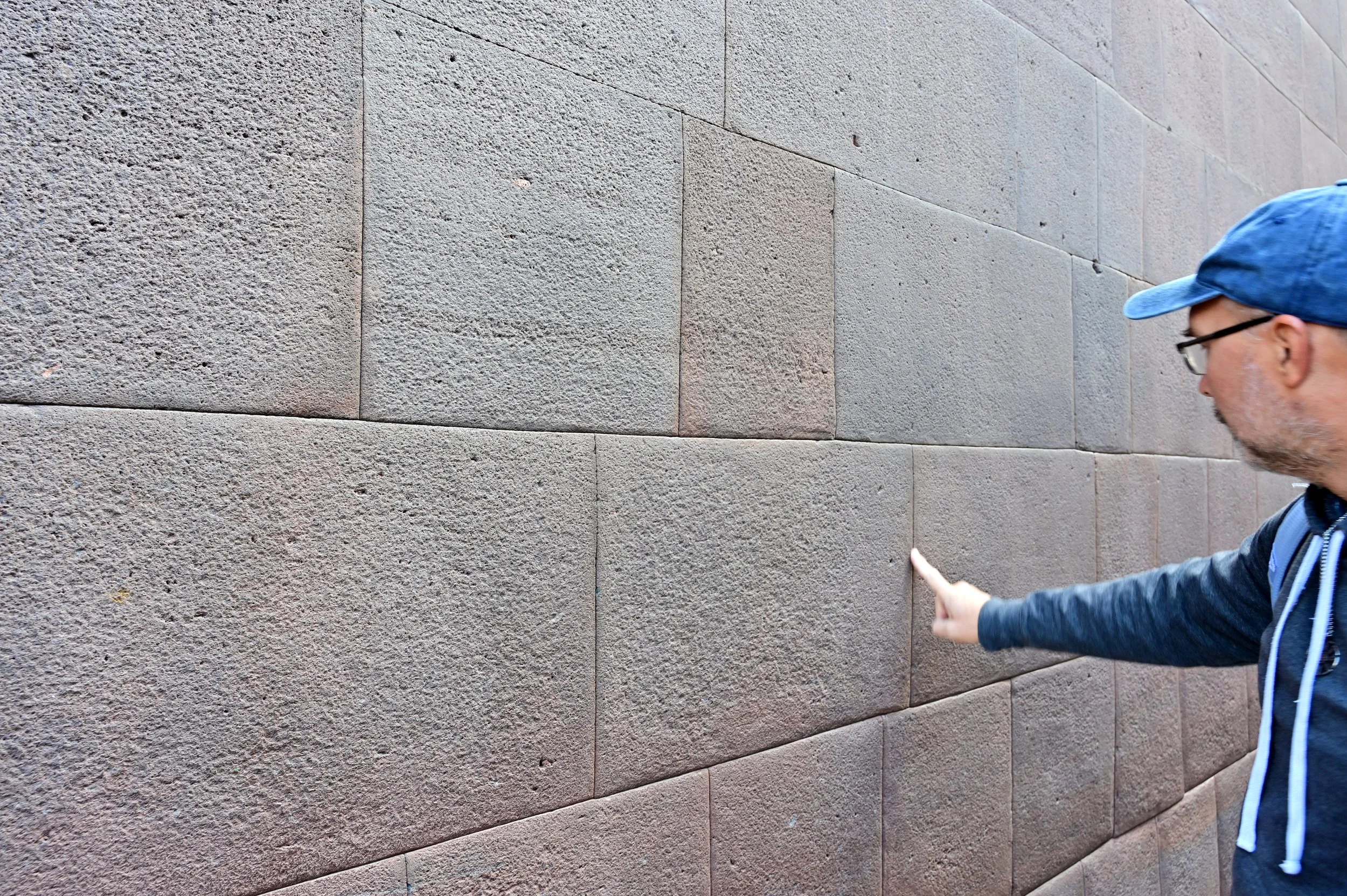
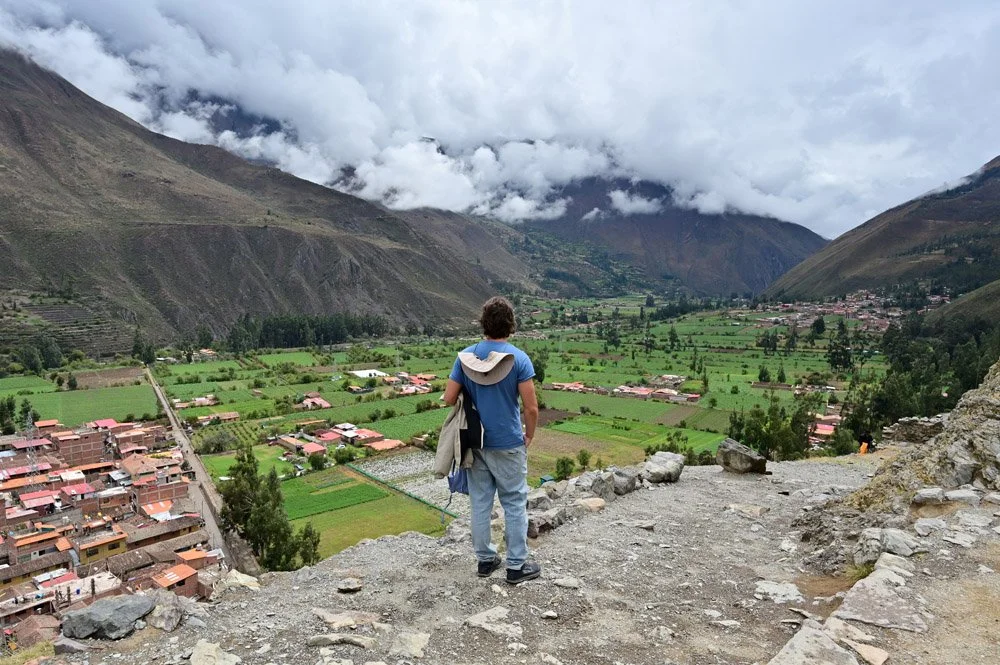
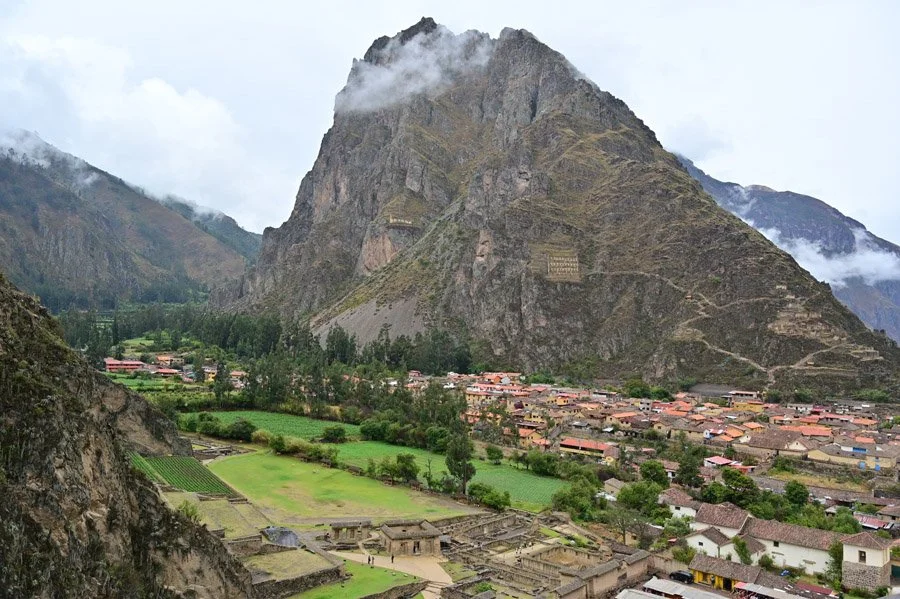
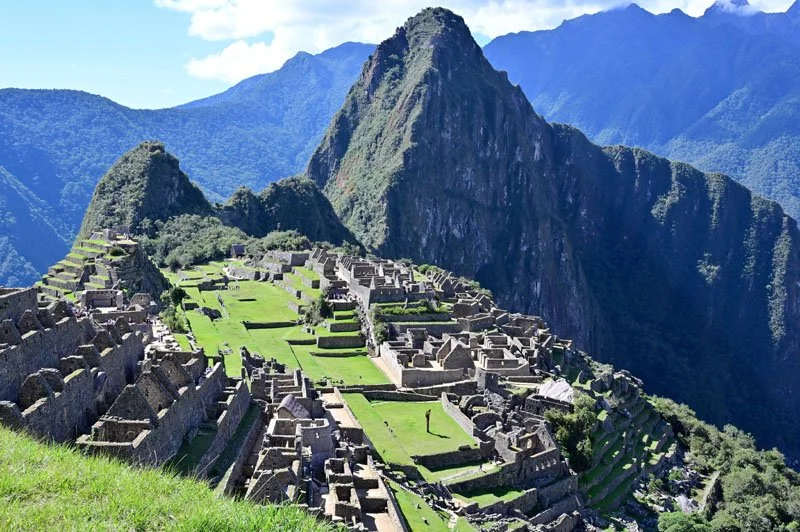
Across Peru, Bolivia, Rapa Nui (Easter Island), Greece, Türkiye, and Egypt, ancient builders produced stonework notable for its scale, unusual geometry, closely fitted joints, or carefully finished surfaces. These traditions are often compared on appearance alone. Our goal is to create a consistent body of 3D measurements that permits meaningful comparison within and between regions.
We plan to document individual blocks, joint interfaces, exposed and worked faces, edges, corners, surface textures, and surviving tool marks. Quantitative measures—including flatness, curvature, edge geometry, surface regularity, and patterns of finishing marks—can help identify differences among construction phases, materials, and production methods. Where appropriate and permitted, non-destructive elemental measurements and microscopic analysis will complement the geometric data.
During earlier site visits, we noticed that large foundation courses in some Hellenistic buildings appear unlike their upper masonry and, in certain respects, resemble workmanship seen elsewhere. This is an observation to test, not evidence of a shared origin. By comparing measured features, stone types, site chronology, and known construction histories, we hope to determine which similarities are significant and which are merely visual.
Priority case studies include Inca and pre-Inca masonry in the Andes, the precisely worked components of Puma Punku at Tiwanaku, selected Mediterranean foundations, and other well-documented examples. A related aim is to develop a repeatable method for comparing ancient stoneworking traditions without assuming either cultural contact or independent invention in advance.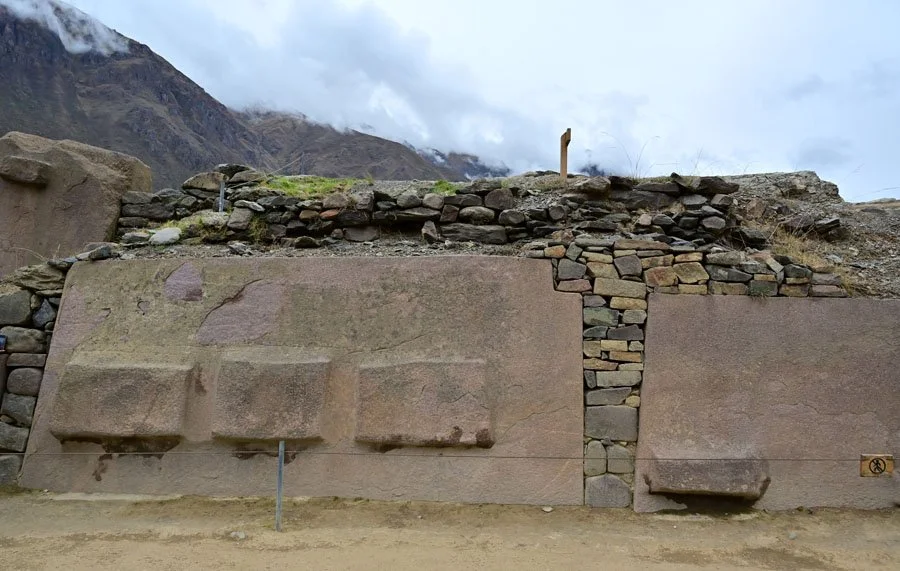
2. Egyptian Sarcophagi, Naoi, and Monumental Stone Artifacts
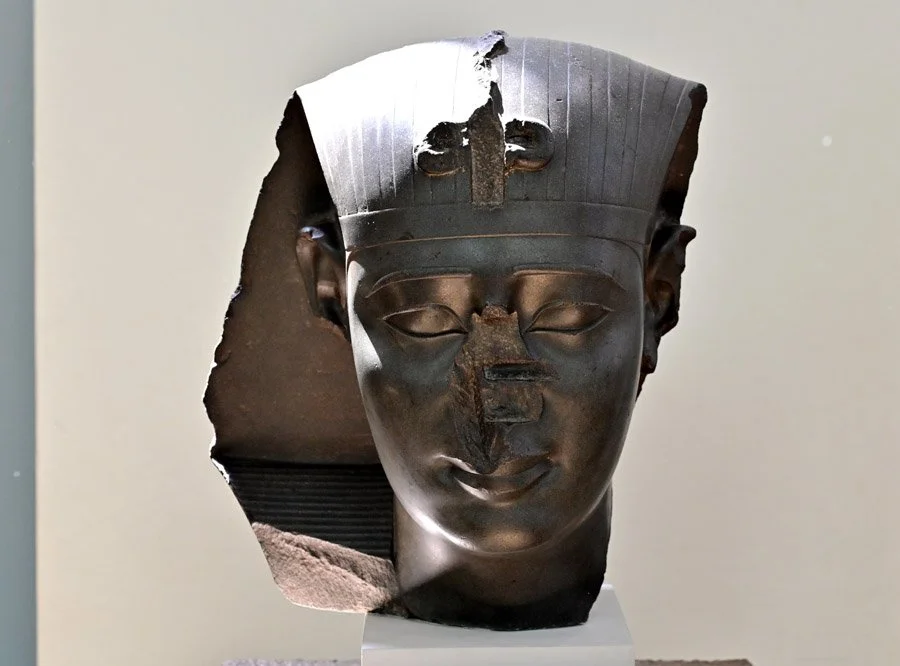
Ancient Egyptian artisans fashioned enormous stone sarcophagi, shrines (naoi), architectural elements, and other rectilinear objects whose size and workmanship continue to raise practical questions. How flat are their faces? How straight and square are the corners? How consistent are the dimensions? Which traces of production survive on their surfaces?
Our earlier research on Egyptian stone vessels established a 3D metrology framework for assessing manufacturing quality and comparing archaeological objects with modern handmade and machine-made examples. Published in npj Heritage Science in 2025, that study showed how quantitative shape measurements can help evaluate technological claims and the attribution of poorly provenanced objects.
The next step is to extend this framework from predominantly rotational forms to large, rectilinear artifacts. We intend to measure surface flatness, straightness, parallelism, orthogonality, dimensional consistency, and localized working traces, while accounting for damage, weathering, restoration, and scan uncertainty. Modern reference objects and experimentally reproduced working methods may provide additional benchmarks.
Our aim is neither to dismiss the skill involved nor to assume machinery from impressive appearances. It is to define the actual manufacturing quality of these objects, test competing explanations, and identify what further evidence is needed to understand how they were produced.
3 Obsidian Earspools: The Limits of Ancient Lapidary Skill
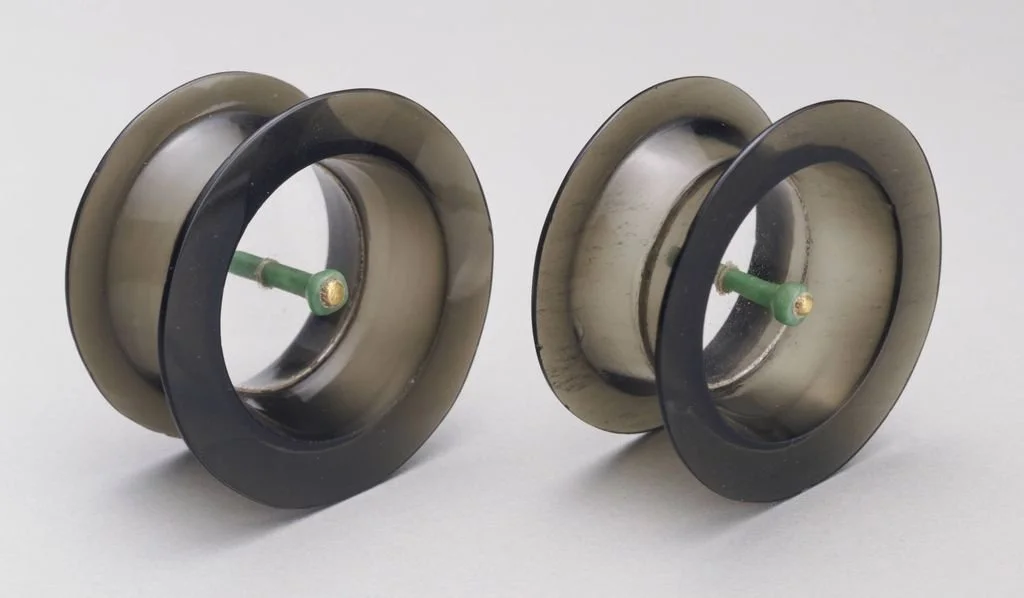
Some pre-Columbian Mesoamerican earspools were fashioned from obsidian into thin, remarkably symmetrical and highly polished forms. Obsidian is a volcanic glass that fractures readily, making the production of delicate, thin-walled pieces a demanding craft.
Archaeological research has already documented aspects of Mesoamerican lapidary production, including grinding, abrasion, drilling, and polishing. Our project focuses on a more specific question: how were the finest surviving obsidian earspools brought to their final geometry, thickness, and surface finish without breaking?
With permission from holding institutions, we propose to scan representative examples and quantify wall thickness, circularity, concentricity, groove profiles, surface finish, and small-scale defects. Microscopic traces and comparisons with experimental replicas could help reconstruct plausible production sequences and reveal the degree of control achieved by individual workshops.
The result would be a measurable account of an exceptional craft—not a claim that these objects are inexplicable, but a closer examination of the knowledge, tools, and labor that made them possible.
Image: https://artmuseum.princeton.edu/art/collections/objects/33227
4 Pre-Columbian “Airplane” Pendants
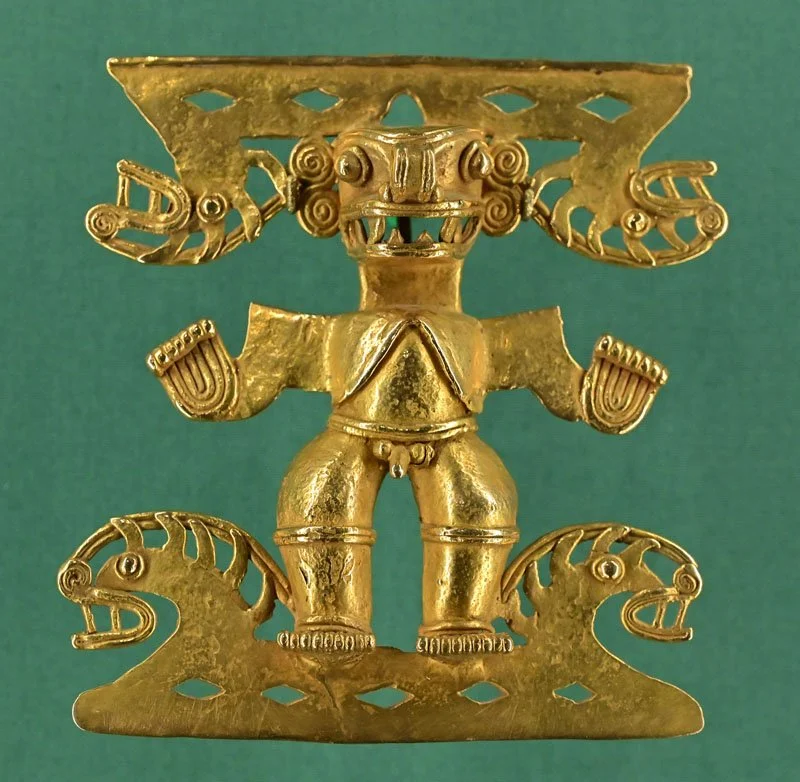
Small metal pendants from pre-Columbian Colombia—especially examples associated with Tolima-style goldwork—have become famous because some observers see aircraft-like wings and tail structures in their forms. They are sometimes misidentified online as “Inca airplanes,” although they are not Inca artifacts. Museums generally discuss such works in the context of stylized animals, composite creatures, and regional goldworking traditions.
The visual resemblance is intriguing, but resemblance alone does not establish what an object depicts. We want to replace arguments based on selected photographs with a comparative dataset of complete, scaled 3D models. That means measuring planforms, proportions, bilateral symmetry, projected surfaces, and the variability among related pendants rather than focusing only on the most unusual examples.
We also intend to compare their geometry with securely identified animal motifs and other artifacts from the same cultural and archaeological contexts. The objective is to establish what features are genuinely distinctive, how consistently they recur, and which interpretations the full corpus can support. Three-dimensional geometry can clarify the discussion, although it cannot by itself prove an object's original meaning or purpose.
5 Elongated Skulls and Intentional Cranial Modification
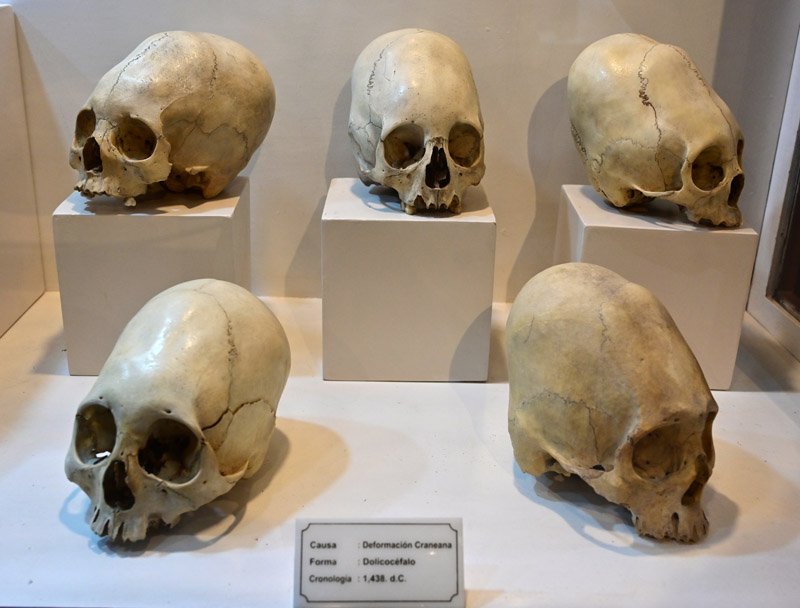
Elongated human skulls are documented across widely separated regions and historical periods, including the Andes, parts of Eurasia, and other areas. Many are associated with intentional cranial modification: cultural practices in which an infant's developing skull was shaped using binding or other external constraints. These remains have nevertheless generated persistent sensational claims that often ignore established anthropological evidence.
We propose a collaborative, non-destructive documentation project aimed at building standardized comparative datasets where ethical access is granted. High-resolution external scans can record cranial proportions, vault geometry, asymmetry, and variation within and between archaeological populations. Where available and authorized, existing medical imaging and expert osteological assessments would provide anatomical information that surface scans alone cannot reveal.
The research questions concern the range of observed shapes, how patterns vary across regions and periods, which features reflect known modification techniques, and whether consistent morphological classifications can be developed. Interpretation must take account of age, biological variation, preservation, chronology, and cultural context.
Because these are human remains, the project must be developed with curators, qualified anthropologists, and relevant descendant or stakeholder communities. Any scanning, analysis, or public release of models would be subject to institutional approval, applicable laws, and ethical restrictions. Our intended contribution is a carefully documented resource for legitimate interdisciplinary research.
6 Ubaid Figurines with Reptilian Features

Some ceramic figurines from the Ubaid period of ancient Mesopotamia, in present-day Iraq, display elongated heads, slanting eyes, and facial features commonly described as reptilian or lizard-like. Their striking appearance is well documented, but the significance of their stylization remains an archaeological and interpretive question.
Our proposed study would assemble a representative, provenance-aware collection of 3D scans from accessible museum holdings. We would record head and body proportions, modeled facial features, surface treatment, recurring gestures, ornamentation, and differences among figurines from separate sites or contexts.
The goal is to provide researchers with detailed comparative material for questions of artistic convention, workshop practice, regional variation, and possible symbolic meaning. The term “reptilian” describes a visual impression, not a biological identification. Rather than advancing a predetermined interpretation, we hope to make these objects easier to examine and compare.
Image: By Osama Shukir Muhammed Amin FRCP(Glasg) - This image has been extracted from another file, CC BY-SA 4.0, https://commons.wikimedia.org/w/index.php?curid=90674882
How We Work—and What We Plan to Share
Where possible, each study will connect calibrated scans with object metadata, location and provenance records, material identification, photographs, descriptions of instrument settings, and documented uncertainty. Our analyses will use measurable criteria and appropriate comparison groups; important differences, inconclusive results, and negative findings belong in the record alongside positive discoveries.
We aim to publish accessible research summaries, reproducible analytical methods, comparative visualizations, and downloadable 3D data where permissions permit. We welcome collaboration with museums, archaeologists, conservators, engineers, materials scientists, and researchers whose expertise can help frame stronger questions and interpret the results responsibly.
A captivating mystery is a reason to investigate—not a conclusion. At ScanCivilization, we begin by measuring.
Support Our Effort & Discoveries:
Become a member of our team, donate, or share.